



Table of Contents
Toggleया देवी सर्वभूतेषु शक्ति-रूपेण संस्थिता।
नमस्तस्यै नमस्तस्यै नमस्तस्यै नमो नमः॥
i.e.,
“Salutations again and again to the Divine Goddess who dwells in all beings in the
form of power (Shakti).”
Hello friends.
Welcome to our Website. This blog is going to be a sensation for everyone thinkers definitely. In this blog, we will talk about The Great Iron Man: – Sardar Vallabhbhai Patel & his thoughts and actions for Hindus & Hindu visions. In the vast story of Indian history, few people show the strong spirit of dharma and unity as clearly as Sardar Vallabhbhai Patel. Often called the “Iron Man of India,” his achievements go beyond politics. From a Hindu point of view, he is seen as a modern Kshatriya warrior, protecting the soul of Sanatana Dharma during the time of British rule and after independence.
This article explores the Hindu vision of Sardar Patel, looking at how his life and actions matched important Hindu values like unity, justice, and protection. This is especially relevant for those interested in understanding Sardar Patel through a Hindu lens. We examine his role in uniting Bharat, his practical approach to Hindu identity, and why modern Hindu thought holds him as a symbol of strength and perseverance.
Patel’s life aligns with the spirit of Hinduism, where the courage of Arjuna from the Mahabharata meets the smart strategies of Chanakya. Born into a Patidar family in Gujarat, a region rich in Vaishnava devotion and bhakti traditions, Patel grew up with a deep understanding of selfless service (seva) from a young age. His vision was not just about borders; it was a holy mission to protect the continuous culture of Hinduism from harmful forces.
Why is Sharad Purnima Celebrated? The Spiritual Importance of Kojagiri Full Moon
- Sharad Purnima, named after “Sharad” meaning autumn and “Purnima” meaning full moon, is a key Hindu festival that celebrates prosperity, spiritual awakening, and overall healing. At its heart is the divine story of Goddess Lakshmi appearing during the mythical Samudra Manthan, when she rose from the ocean as the goddess of wealth and fortune. This night, known as the “night of awakening” (Kojagiri means “who is awake”), is believed to be the time when Lakshmi moves around the earth, giving blessings of wealth and success to those who stay alert. Staying awake during this night is thought to represent being watchful for life’s opportunities and showing devotion to divine gifts.
Moreover, the festival honors Lord Krishna’s enchanting Raas Leela, a divine dance with Radha and the gopis beneath the full autumn moon in Vrindavan. This sacred performance represents the soul’s yearning for union with the divine, shown through love and happiness. The Moon God, Chandra, plays an important role, as his light is thought to spread “amrit” (nectar), which has calming effects that help with physical health and emotional calm.
As people pray for financial stability, peace of mind, and spiritual growth, Sharad Purnima becomes a time to let go of negative thoughts, show gratitude, and feel connected to the universe. Spiritually, the festival encourages thinking deeply and staying present, helping people reflect on life’s gifts—like a good harvest, family, or feeling happy inside. Its importance goes beyond stories, also supporting care for the environment, family togetherness, and empowering women, with Lakshmi representing financial freedom and strong care. In 2025, after the lively celebrations of Navratri and Durga Puja, Sharad Purnima offers a peaceful time for reflection and renewal, matching modern hopes for wellness and community ties.
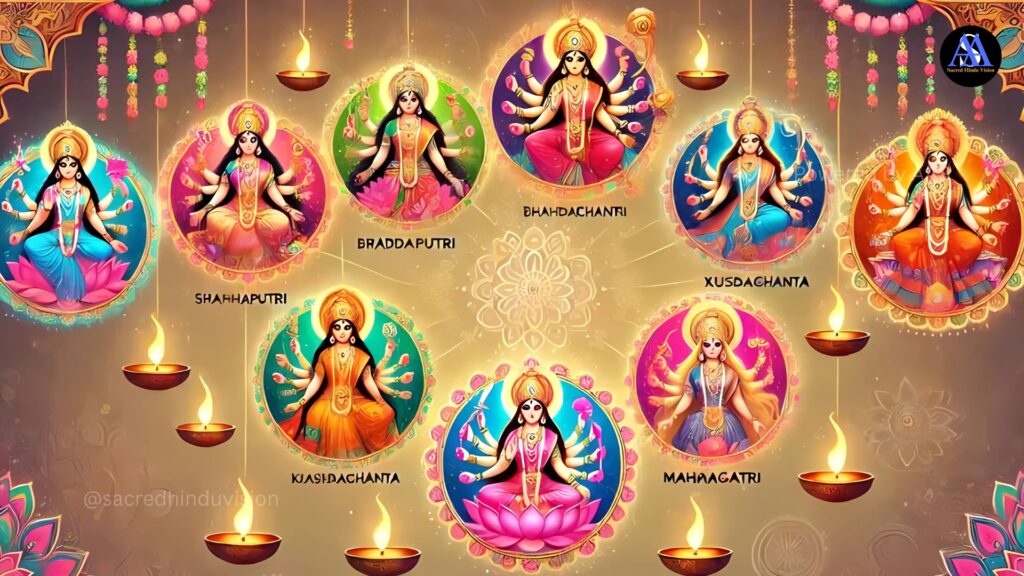
Mythological and Astrological Significance- The spiritual meaning of the festival includes many layers.
- In mythology, it connects to the story of King Bali, who showed deep devotion to Vishnu and received heavenly blessings under the full moon, symbolizing balance and goodness. Another story links it to the Mahabharata, where the Pandavas ended their exile on this night, showing a time of success and new beginnings. From an astrological view, the moon being close to Earth during Sharad Purnima increases its influence, making it a good time for meditation, moon-related treatments, and spiritual activities. The festival is also especially meaningful for women, as fasting and prayers to Lakshmi help individuals achieve goals like financial security and happy relationships.
Symbolism in Contemporary Life
- Beyond its spiritual stories, Sharad Purnima has deep symbolic meaning. The full moon represents completeness, clarity, and wisdom, inspiring people to work towards being whole in their own lives—whether that’s in money, emotions, or spiritual growth. Staying awake during the festival shows a positive attitude towards life’s challenges, promoting mindfulness and self-discipline. The harvest theme reminds people to be thankful for what nature provides, encouraging eco-friendly living today. In modern times, the festival also supports mental health awareness, bringing people together in communities, and practicing sustainability, making it a meaningful celebration that brings together ancient wisdom and today’s values
The Rich History of Sharad Purnima: From Ancient Traditions to Harvest Customs
- Sharad Purnima has its roots in the Vedic era, when full moon rituals were an important part of life in ancient Indian society. These rituals showed respect for gods like Chandra and Indra, who were believed to control the fertility of the land and the success of harvests. In those times, people would gather to give thanks for good crops, offering rice and milk to the moon as a symbol of gratitude. The festival’s stories are found in the Puranas, especially the tale of Samudra Manthan.
- In this story, Goddess Lakshmi came out of the ocean and promised wealth and luck to those who stayed awake during the Kojagari night. Another popular story from the Bhagavata Purana is about Lord Krishna’s Raas Leela, where his divine flute draws Radha and the gopis into a magical dance under the autumn moon. This inspires people to celebrate with music, dancing, and devotion.
In the medieval period, Sharad Purnima turned into a major harvest festival in rural parts of India.
- People would give rice and milk to the moon, thanking it for good harvests and asking for more fertile land. Even Jain and Buddhist communities started celebrating full moon days, focusing on meditation and cleaning the soul, which made the festival more popular among different groups. In Bengal during the 18th century, landlords made Kojagari Lakshmi Puja a big family event, showing their devotion and social status, even during times of colonial rule. At the same time, Ayurveda encouraged people to enjoy moonlight for its health benefits, making the festival meaningful for both rural and city folks.
- After India gained independence, Sharad Purnima became a celebration across the country, mixing different regional traditions while keeping its focus on prosperity and spiritual growth. Its ability to change with time shows the strong cultural spirit of India. Nowadays, people celebrate with eco-friendly practices, digital ways to join in, and activities focused on well-being. Today, Sharad Purnima is more than just a festival; it shows India’s deep connection with farming, spirituality, and the unity of its people. It has grown from old moon worship into a lively celebration of light, love, and gratitude.
Cultural Stories and Historical Anecdotes
- Folklore adds to the story of this culture. In Bengal, there is a story about a poor farmer who stayed awake on Kojagari night while making a basket. He was blessed by Lakshmi with a good harvest, showing how being watchful and having faith can bring rewards. In Vrindavan, stories about Krishna’s flute playing in moonlit forests have inspired devotional songs and poetry. Medieval poets like Vidyapati wrote about the moon’s beauty, which affected the literature and music in the region. During the Mughal time, some royal courts held moonlit feasts, mixing Hindu and Persian styles. In 2025, the celebrations will probably honor these old traditions and also include modern ideas, such as using eco-friendly containers for kheer and having online Raas Leela performances. This helps mix the past with today’s ways.
Evolution Across Time
- From the Harappan seals that showed moon worship to the medieval bhakti movement that stressed devotion, Sharad Purnima has changed over the years. In rural areas, it was a harvest festival with bonfires and stories. In cities, it became both a spiritual and social event, with big temple rituals. The connection to Ayurveda started gaining popularity in the 19th century, matching with India’s focus on natural health. Now, it uses digital tools like live-streamed prayers and wellness classes to stay relevant in today’s world.
Celebrating Sharad Purnima: Customs and Traditions on Kojagiri Night
- Sharad Purnima takes place on October 6, 2025. The day starts with peaceful rituals that include devotion, fasting, and bathing under the moonlight, creating a feeling of respect and peace. From morning to midnight, the celebrations bring together spiritual practices and cultural events that honor Lakshmi, Krishna, and the moon.
Rituals Step-by-Step:-
- Morning Preparations: The day begins with a bath at sunrise, washing away impurities from both body and soul. Homes are cleaned, and a special offering area is set up with idols of Lakshmi and Vishnu or a Shri Yantra. This area is decorated with marigold flowers, rice, turmeric, and sandalwood paste. Devotees chant mantras like “Om Shreem Mahalakshmyai Namah” to welcome prosperity and calm, starting the day in a positive way.
- Fasting (Phalahar): A big fast called phalahar is kept, eating only sattvic foods like bananas, apples, almonds, curd, and milk. Grains, salt, or heavy meals are avoided. Some people go on a nirjala fast, not drinking any water until the moon rises, believing it cleanses the body and improves focus on spirituality.
Kheer Preparation: A key part of the tradition is cooking rice kheer in silver, brass, or clay pots. It is flavored with cardamom, saffron, almonds, and rose water. Once cooked, the kheer is left under the moonlight for 2 to 3 hours, usually starting around 6:30 PM, to catch the moon’s gentle rays. This helps the kheer become even more nourishing and special.
Evening Moon Worship: When the moon appears, people offer the kheer to Chandra (the moon god) and the Navgraha (nine planets). They light clay lamps, incense sticks, and camphor. They also perform aarti with conch shells, bells, and songs. They may sing the Lakshmi Stotra or stories about Krishna’s Raas Leela. Some families add coconut and betel leaves to their offerings as well.
- Midnight Vigil (Jagrana): The Kojagari night involves staying awake until midnight. People sing devotional songs like “Jai Lakshmi Ramana” or “Hare Krishna.” They also think about the blessings of the divine. Families share stories and talk, helping everyone feel closer and more connected.
Moonlight Therapy: Devotees sit or lie outside under the stars for 1 to 2 hours. They often do this on rooftops or in gardens. This practice, from Ayurveda, is believed to help with stress, skin problems, and breathing issues. It also makes people feel more relaxed and healthy.
Prasad Distribution: After midnight, the blessed kheer is shared with family members, neighbors, and those in need. This act shows kindness, community spirit, and the idea that divine blessings are meant to be shared.
Cultural and Home Celebrations
- At home, the rituals are more personal. Women often make alpana (a kind of rangoli made from rice paste) to welcome Lakshmi or create swings for Krishna idols to symbolize Raas Leela. Temples have big aarti ceremonies where priests chant hymns and devotees join in prayer. There are also cultural events with folk music, storytelling about Lakshmi or Krishna, and community feasts featuring kheer, puri, and fresh seasonal fruits. In 2025, online platforms will broadcast pujas, allowing people from all over the world to take part. Eco-friendly choices like clay lamps, biodegradable plates, and natural colors are becoming more common because they align with the festival’s roots in harvest time and environmental care.
Unique Ritual Variations
- Different regions add their own special touches: in Bengal, women make detailed alpana patterns and place lotus flowers before Lakshmi; in Gujarat, families build small swings for Krishna idols and dance to Garba music; in Odisha, girls play traditional games like Puchi during Kumar Purnima; in rural Maharashtra, people gather around bonfires and tell stories under the moon. Some communities also tie sacred threads on trees or offer milk to anthills as a way to thank nature. These different practices create a lively mix of devotion, happiness, and cultural pride.
Sharad Purnima in Different States: Unique Celebrations Across Regions
Sharad Purnima is a national festival celebrated in different ways across India, showing the country’s rich cultural diversity. It brings people together to give thanks for the harvest and divine blessings. Each state has its own special traditions, creating a colorful mix of rituals, foods, and festivals.
- West Bengal (Kolkata): Celebrated as Kojagari Lakshmi Puja, homes are decorated with diyas and alpana designs at the door to welcome Lakshmi. Women fast, offer kheer and lotus flowers to the goddess, and stay up late praying for wealth, good marriage, and family happiness. Events include singing bhajans, performing dance dramas, and sharing kheer, which brings neighbors closer.
- Odisha (Bhubaneswar): Known as Kumar Purnima, unmarried girls fast for Kartikeya, hoping to find a good partner. They wear new clothes, play traditional games like Puchi, and end their fast with sweets made under the moon. They enjoy folk music and dance under the stars.
- Gujarat (Ahmadabad): Families make panchamrit under the moonlight, a mix of milk, curd, ghee, honey, and sugar, symbolizing plenty. Dances like Garba and Dandiya celebrate Krishna’s Raas Leela, and families share meals like khichdi, kadhi, and jalebi, keeping the festive mood alive.
- Maharashtra (Mumbai): Chandra Puja is the main event, where people pour milk as an offering under the moon. In rural areas, bonfires are lit with stories of Raas Leela, while cities have midnight aartis with songs like “Chandra Prabhu Namostute.” Families share kheer and puri, keeping things simple and focused on devotion.
- Bihar and Uttar Pradesh (Patna/Lucknow): People bring rice and milk to the moon to wish for good health and good luck. After that, everyone shares big meals of kheer, puri, and fresh vegetables. This festival is connected with the days after Dussehra, and it shows victory, plenty, and family togetherness through shared activities and stories.
- Rajasthan (Jaipur): This is called Kaumudi Purnima. Nomads sing songs under the moonlight, and women do beautiful henna designs, hoping for happiness at home. In the countryside, people enjoy camel races, music, and moonlit parties, which celebrate the special feeling of the desert.
- Tamil Nadu (Chennai): This is similar to Karva Chauth, where women fast and pray for happy marriages, offering milk to Lakshmi. Temples have special prayers, and families share moon-themed sweets, encouraging faith and family time.
- Karnataka (Mysore): After Dasara, people do simple moon worship with offerings like coconut and banana. In the villages, there are folk dances like Dollu Kunitha and storytelling under the moon, which mixes tradition with fun.
- Northeast (Assam, Tripura): Tribal people dance and offer rice to the moon, mixing their native traditions with Hindu practices. In Assam, songs related to Bihu are sung with kheer being shared. In Tripura, tribes make bamboo items to offer to the moon, showing the richness of nature.
- Punjab (Amritsar): People have long nights of prayer and songs, offering milk and jaggery to the moon god Chandra. Families come together for moonlit dinners, sharing kheer and paratha to celebrate plenty and divine protection.
- Andhra Pradesh (Hyderabad): This is called Chandana Purnima. Families make kheer with jaggery and offer it to the moon. There are also dances like Bathukamma, where flower arrangements honor the goddess. Temples have lively ceremonies, bringing people together for blessings.
These wide variety shows the rich cultural mix in India, where each place has unique ways to honor the full moon, bringing people together in joy and devotion.
Global Celebrations: How Sharad Purnima is Honored Worldwide
Sharad Purnima is not only celebrated in India but also by Hindu communities in over 50 countries. These people keep the tradition alive, mixing it with their local cultures. These global events help build pride, unity, and friendships between different cultures, often combining old practices with new ideas.
- Nepal (Kathmandu): Known as Kojagrat Purnima, it is a national celebration closely tied to harvest events like Indra Jatra. Families perform Lakshmi Puja with rice, milk, and kheer offerings, and they conduct jagrana under the moonlit sky. Temples have lively aartis, and communities share prasad, focusing on family unity and spiritual renewal.
- Bangladesh (Dhaka): Bengali Hindus celebrate Kojagari pujas in homes and community pandals, offering kheer and chanting Lakshmi mantras. Cultural events include Rabindra Sangeet and folk dances, helping bring diverse communities closer despite some socio-political challenges.
- USA (New York, California): Swaminarayan temples and cultural centers perform Raas Leela reenactments, prepare kheer, and hold virtual pujas for people around the world to join in. Community potlucks serve Indian sweets along with American desserts, creating a multicultural atmosphere similar to harvest festivals like Thanksgiving.
- UK (London, Leicester): Hindu centers hold moonlight meditations and Lakshmi pujas, often combining with Diwali preparations to attract a wide audience. Families share kheer and take part in interfaith moon-viewing events, encouraging cultural exchange and harmony.
- Australia (Sydney, Melbourne): Diaspora groups focus on eco-friendly pujas, making kheer in biodegradable containers and hosting wellness workshops with lunar therapies. Community events may include folk dances and storytelling, catering to multicultural audiences and helping younger generations stay connected to their heritage.
- Canada (Toronto, Vancouver): Events include moonlit bhajans and kheer offerings, with temples adding Canadian elements like maple syrup to prasad. These gatherings help promote cultural integration through interfaith discussions and shared meals, bringing together Indian and local participants.
- Fiji and Mauritius: In these countries, where the festival is a public holiday, vibrant fairs offer kheer, folk dances, and Lakshmi pujas. Temples hold grand aartis, and families share moon-soaked sweets, showing Indian cultural roots in tropical settings.
- Singapore (Little India): Pandal-style setups feature kheer ceremonies and devotional music, drawing attention from both tourists and locals. Moonlit yoga sessions mix Hindu traditions with wellness trends, appealing to a global audience.
Diaspora Innovations
- Global celebrations often happen on weekends to make them easier to attend, and they include local traditions like jazz-style bhajans in the US or indigenous artwork in Australia. In 2025, virtual streaming on platforms like X and hashtags like #SharadPurnima2025 will help people connect, allowing them to join live rituals or share kheer recipes. Social media campaigns and AR filters that show moonlight will increase participation, turning the festival into a global event that celebrates heritage and wellness.
The Impact of Sharad Purnima on People’s Lives: Social, Health, and Spiritual Transformations
- Sharad Purnima has a big effect on people’s lives, helping them build stronger connections, improve their health, and grow spiritually, especially in today’s busy world.
Social Impact
- The festival brings people together through shared activities such as making kheer, moonlit gatherings, and offering prasad. Families come together to tell stories of Krishna’s Raas Leela or the tales of Lakshmi, which helps keep traditions alive and strengthens family ties.
In rural areas, the festival unites communities during harvest time, with neighbors sharing food and stories under the moon, which helps reduce loneliness and increases understanding between people. In cities, temple pujas provide a space where people of all backgrounds can come together, promoting unity across differences like caste, religion, and income level. Women leading pujas also give them more power, supporting gender equality and making communities stronger.
Health Impact
- Moonlight is a key part of Sharad Purnima and has been used in Ayurveda for a long time to help with health issues like skin problems, breathing difficulties, and stomach troubles caused by changing seasons. The cool light helps balance the body, making people feel more energized. Fasting on sattvic foods like fruits, milk, and nuts helps clean the digestive system, boosts the immune system, and gives more energy. The moonlit kheer, often seen as a healthy drink, is believed to improve both body and mind, helping with stress and tiredness. The meals that follow the puja also include healthy foods like almonds, saffron, and milk, which help people feel better overall.
Spiritual and Emotional Impact
- The Kojagari vigil encourages people to be mindful and thankful, helping them appreciate what they have and feel connected to something bigger. Meditating under the moon helps calm the mind, reduce stress, and build emotional strength. For women, fasting and praying to Lakshmi support personal goals, like financial freedom and happy family life. Krishna’s Raas Leela brings joy and helps people feel spiritually connected. For those living away from home, the festival helps them feel closer to their roots, reducing homesickness and helping them feel like they belong. Young people get involved through cultural activities, learning important values like gratitude, discipline, and kindness.
Psychological and Cultural Reinforcement
- The traditions of the festival give people a sense of meaning, togetherness, and emotional support, which helps reduce modern worries and loneliness. It helps keep Indian culture alive through stories, music, and art, making sure traditions continue for future generations. Kids learn about Lakshmi’s blessings through family prayers, which teach them about faith and caring for others. In cities, temple events help young people understand their roots, while celebrations in other countries help maintain a strong cultural identity.
Economic and Environmental Impact
- The festival boosts the local economy by increasing the need for items like milk, rice, flowers, and clay lamps, which helps support artisans and sellers. Community food gatherings and fairs encourage small businesses, bringing energy to local markets.
It also teaches people to value nature’s gifts, leading to eco-friendly practices like using natural offerings and caring for harvested crops, which aligns with today’s environmental awareness.
Benefits of Sharad Purnima: Holistic Advantages for Health, Wealth, and Well-Being
- Sharad Purnima offers many benefits that support physical, mental, spiritual, and social well-being, combining old wisdom with today’s needs.
Health Benefits
- Physical Healing: Exposure to moonlight can help with skin problems, breathing issues, and digestion. It also helps with relaxation and sleep, and reduces long-term stress. The special kheer made under the moon is a healthy drink that improves energy and strengthens the immune system.
- Detoxification: Eating sattvic foods like fruits, milk, and nuts during fasting helps clean the digestive system, boosts energy, and improves overall health. Ayurveda says this practice supports the body’s natural strength and helps it stay healthy
Spiritual and Prosperity Benefits
- Divine Blessings: Worshipping Lakshmi brings in more money, stability, and success. Krishna’s Raas Leela gives people a deep sense of joy and devotion. Saying mantras like “Om Chandraya Namah” or “Om Shreem Hreem” connects people with the universe and brings peace inside.
- Inner Clarity: This time of reflection helps people stay more aware. It helps them get rid of bad thoughts, feel thankful, and find a sense of direction. It’s also a good time to think about what they want for themselves and their money.
Social and Cultural Benefits
- Community Bonding: Doing rituals and eating together brings families and neighbors closer. It makes people more caring, united, and peaceful. Events like village fairs and city pujas bring together people from different backgrounds in a friendly way.
- Cultural Preservation: The festival brings back old traditions like folk music, alpana artwork, rangoli designs, and storytelling. These activities teach younger generations about their culture and help keep these traditions alive for future generations.
Additional Perks
- Sharad Purnima helps people be more creative through activities like Raas Leela dances and songs. It also supports local craft workers by increasing the need for items used in rituals. It brings people of different religions together by inviting everyone to moonlit events.
- In 2025, online platforms will make it easier for people around the world to take part with virtual ceremonies, cooking classes for kheer, and health workshops related to the moon. This matches trends in being mindful and taking care of overall health.
Challenges of Sharad Purnima: Drawbacks and Practical Solutions
- Although Sharad Purnima has many good effects, there are a few small problems that need smart solutions to keep the festival meaningful and open for everyone.
Potential Challenges
- Health Risks: Fasting for long periods can lead to being thirsty, tired, or having stomach problems, especially for older people or those with health issues. Eating too much kheer, which has a lot of sugar and nuts, can cause tummy trouble or high sugar levels. Trying to stay awake during jagrana might mess up sleep, making it hard to be productive the next day.
- Social and Practical Issues: Arguments during worship preparations or crowded temple events can make people stressed, especially in big cities. There’s a chance that the festival might become too focused on showy displays, with some city pujas replacing real devotion with fancy setups. In rural areas, throwing away things like plastic lamps or non-natural decorations can hurt the environment.
Practical Solutions
- Health Moderation: Encourage balanced fasting with proper hydration through coconut water, fruit juices, and herbal teas. Include light meals such as curd and bananas to maintain energy levels. Advise consulting health professionals for vulnerable groups, such as diabetics or pregnant women. With the rise in sugar consumption, consider using natural sweeteners like jaggery. Incorporate short naps or guided relaxation techniques during the day to manage fatigue and keep participants refreshed.
- Accessibility Enhancements: Urban residents can use balconies, rooftops, or nearby parks to benefit from moonlight exposure, even in small spaces. Diaspora communities can adapt their rituals indoors by using lunar imagery, candles, or LED lights to mimic moonlight. Platforms like YouTube or X can be used to live stream aarti sessions, mantra tutorials, and kheer preparation guides, allowing global participation. Temples may also consider hybrid events that combine in-person and online pujas.
Practical Tips for Celebrating Sharad Purnima 2025
To fully embrace the essence of Sharad Purnima and create a memorable occasion, here are some actionable suggestions tailored for devotees, families, and global participants:
- Home Puja Setup: Cleanse your living space using natural cleaners like turmeric water. Set up a simple altar with Lakshmi-Vishnu idols or a Shri Yantra. Decorate with marigold flowers, mango leaves, and rice-paste alpana to foster auspicious energy. Use silver or clay vessels for kheer to enhance purity and tradition.
- Fasting Wisely: Choose sattvic foods such as bananas, apples, and almonds to maintain energy during the fast. Break your fast after moonrise with kheer, puri, and light snacks like roasted makhana. Avoid heavy or oily meals. Stay hydrated with herbal teas or rose water.
- Moonlight Immersion: Find a spacious area like a terrace, garden, or balcony for moonlight exposure. Bring a cotton mat, shawl, or yoga mat for comfort. Engage in deep breathing or chant “Om Som Somaya Namah” to enhance serenity. If outdoor access is limited, position yourself near a window with a clear moon view.
- Cultural Engagement: Attend temple aartis or community events featuring Raas Leela dances, folk music, or bhajans. Share kheer and sweets with neighbors to foster goodwill and community spirit. Participate in local fairs or cultural programs to enjoy regional traditions like Garba or Puchi games.
Community Stories: Inspirational Accounts from Sharad Purnima
The magic of Sharad Purnima comes from the way it touches people’s lives through shared experiences. Here are some made-up but realistic stories showing how it has made a difference:
- A Kolkata Homemaker’s Tale: Ananya, a mother of two, makes kheer every year with her kids and tells stories about Lakshmi. Last year, they spent the night under the moonlight, and it started a new tradition of storytelling in their family. This helped them grow closer and feel proud of their culture.
- A Vrindavan Devotee’s Journey: Radhika, who volunteers at a temple, helps organize Raas Leela performances. She feels close to Krishna in the moonlit forests. Her involvement has helped her deal with personal problems and finds peace through faith and being part of a group.
- A Sydney Diaspora Experience: Priya, an Indian-Australian student, joined a virtual Kojagari puja last year and felt connected to her roots. Sharing kheer with friends led to talks about traditions, helping her connect with others in her multicultural community.
- A Rural Odisha Celebration: Sunita, a young girl, fasted for Kumar Purnima and played Puchi games with friends under the moon. This tradition gave her strength and inspired her to chase her dreams, thanks to the bravery of Kartikeya.
These stories show how Sharad Purnima helps people connect, stay strong, and keep their culture alive even in different places and situations.
Sharad Purnima in Modern Pop Culture and Wellness Trends
Sharad Purnima has made its way into today’s culture, influencing movies, music, and lifestyle trends. It also fits with global wellness movements. In Bollywood, movies often show moonlit romance inspired by Raas Leela, with couples dancing under the full moon. This reflects the festival’s romantic and magical feel. In Bengali films, Kojagari pujas are shown in family dramas, focusing on love and devotion. Songs like “Chand Chhupa Badal Mein” and traditional bhajans such as “Jai Lakshmi Mata” have become festival favorites, playing on radio and streaming services.
Social media has also helped spread the festival’s message.
Platforms like X are filled with posts about #SharadPurnima2025 and #KojagiriPuja, sharing recipes for kheer, designs for alpana, and photos of moonlit nights. By 2025, influencers may live-stream moonlight meditation sessions and use AR filters that show lunar light or Raas Leela dances for online followers. Fashion brands might create moon-themed collections with silver jewelry, white sarees with star patterns, and lehengas inspired by Krishna’s flute, combining old traditions with modern styles.
Conclusion: Embracing the Radiant Glow of Sharad Purnima in 2025
On October 6, 2025, Sharad Purnima will shine as a beautiful mix of holy stories, lively traditions, and rich culture, from the Kojagari celebrations in Bengal to moonlit festivals around the world. This ancient festival has deep roots in Vedic moon worship and stories from the Puranas about Lakshmi and Krishna, which have a big impact—helping people connect with each other, stay healthy, and feel spiritually clear. The festival brings many benefits like lunar therapy, detox, keeping traditions alive, and bringing people together.
These things are still very relevant in today’s life, even though there are some challenges like health risks or too much commercialization. These can be handled by being mindful and using eco-friendly ideas. As you enjoy kheer under the moonlight, see glowing diyas, and hear bhajans, let Kojagari help you feel more grateful and open to life’s abundance. Whether you are fasting at home, dancing in Vrindavan, or joining a virtual puja, welcome the bright light of Sharad Purnima 2025 to bring light, happiness, peace, and prosperity.
Shubh Sharad Purnima!